Can Stretching Classes Help Reduce Muscle Tension?
Posted By Lucy Kelly
On 01 September 2026
Muscle tension can affect how you move, exercise, work, and relax. Long hours at a desk, repetitive movements, intense workouts, poor posture, stress, and limited mobility can all contribute to tight muscles. Stretching offers a simple way to support flexibility and help your body move more comfortably.
Many people now look for Stretching Classes Near Me because guided sessions provide structure, professional instruction, and a consistent routine. Instead of stretching randomly, you can learn how to move through each exercise with better control and awareness.
Stretching classes can also complement Pilates and other forms of exercise. Understanding how stretching works can help you choose the right class and build a routine that supports your overall fitness goals.
How Does Muscle Tension Develop?
Muscle tension can develop when muscles remain contracted for long periods. Sitting at a desk, standing for hours, driving, or repeating the same movement can cause certain areas of the body to feel tight.
Exercise can also contribute to temporary muscle tightness. After strength training or intense physical activity, muscles may feel stiff as your body recovers.
Stress can play a role as well. People often hold tension around the shoulders, neck, jaw, and upper back without realizing it. Regular movement and relaxation-focused exercises can help you become more aware of these patterns.
Can Stretching Classes Reduce Muscle Tightness?
Yes, regular stretching may help reduce the feeling of muscle tightness and improve flexibility. Stretching gently lengthens muscles and encourages controlled movement around the joints.
A guided class can make the process more effective because an instructor can demonstrate proper positioning and help participants avoid common mistakes. Instead of forcing a deep stretch, you learn to work within a comfortable range.
Consistent practice matters. One stretching session may provide temporary relief, but a regular routine can support long-term flexibility and mobility.
What Happens During a Stretching Class?
A typical stretching class may begin with gentle movements that prepare the body. The instructor may then guide participants through stretches for major muscle groups.
Depending on the class, you may work on the:
- Neck and shoulders
- Upper and lower back
- Hips
- Hamstrings
- Quadriceps
- Calves
- Glutes
- Chest and arms
Classes often combine static stretches with gentle mobility exercises. You may also use controlled breathing to help you stay relaxed during each movement.
The goal should not be to push your body as far as possible. Instead, you should focus on controlled movement, proper alignment, and gradual progress.
Why Choose Stretching Classes Near Me Instead of Stretching Alone?
Searching for Stretching Classes Near Me can help you find structured sessions that match your needs and fitness level. A class also creates accountability. When you attend regularly, stretching becomes part of your weekly routine rather than something you remember only when your muscles feel tight.
An instructor can also show you how to modify exercises. This can be especially useful if you have limited flexibility or find certain movements uncomfortable.
Group classes can provide motivation, while smaller or private sessions can offer more individualized attention. The best choice depends on your goals, experience, schedule, and comfort level.
Can Stretching Improve Flexibility and Mobility?
Flexibility and mobility often work together, but they are not exactly the same. Flexibility describes how much a muscle can lengthen, while mobility involves how well you can control movement around a joint.
Stretching can support flexibility, while active mobility exercises can improve your ability to move with control. A well-designed class may include both.
Better mobility can make everyday activities easier. You may find it more comfortable to bend, reach, squat, walk, or maintain different positions during exercise.
How Can Pilates Complement Stretching?
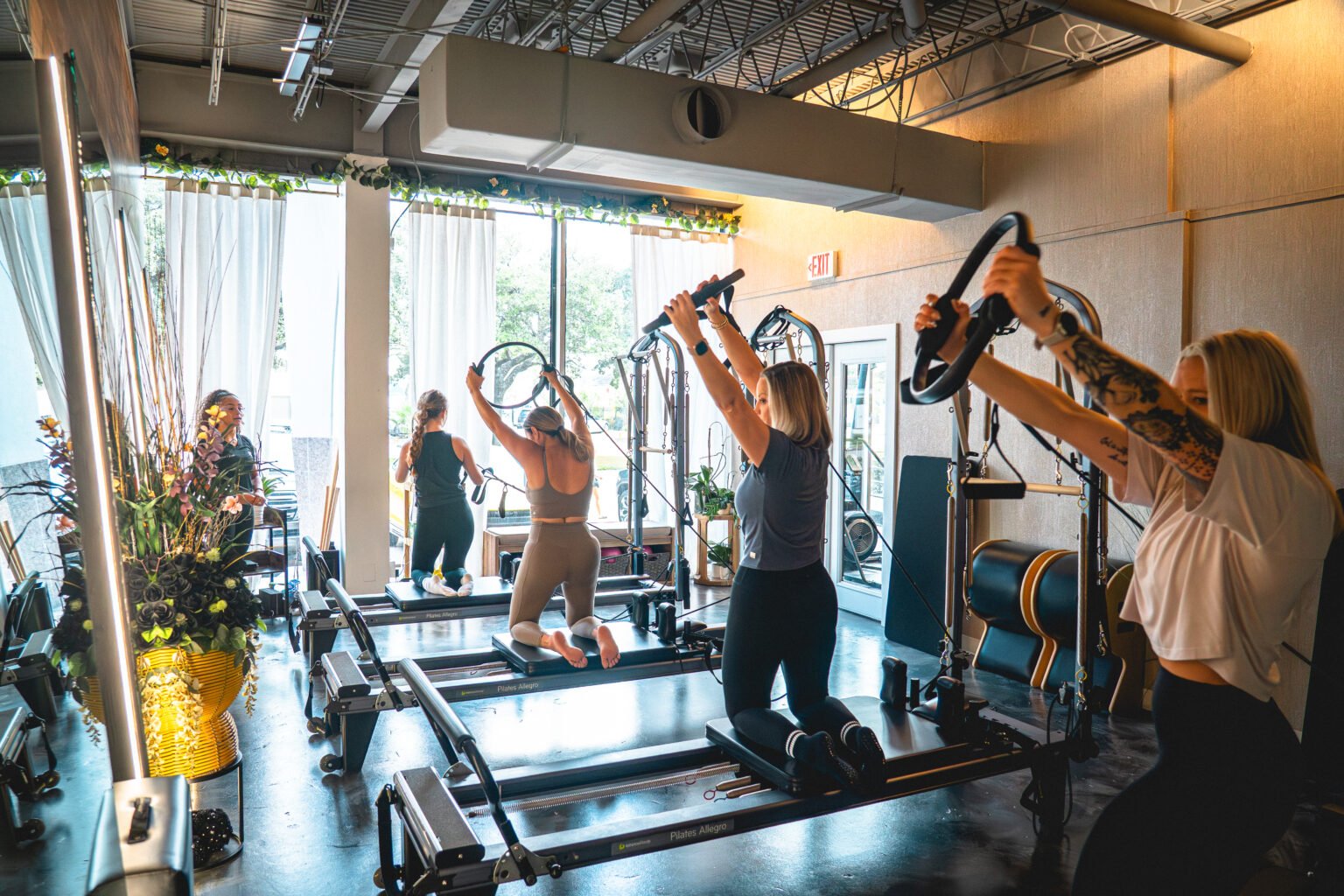
Pilates focuses on controlled movement, core strength, posture, balance, and body awareness. Stretching focuses more directly on flexibility and releasing physical tightness.
Combining the two can create a balanced fitness routine. Pilates can strengthen muscles while improving movement control, while stretching can help maintain flexibility.
For people exploring Pilates, researching Pilates Prices near Me can help compare local studios, class formats, memberships, and private training options. Prices can vary based on the instructor’s experience, class size, equipment, session length, and location.
At Sigma Pilates, clients can make stretching and mindful movement part of a broader approach to fitness and mobility. A consistent program can help you build better movement habits rather than relying on occasional workouts.
What Are the Benefits of Regular Stretching?
Regular stretching can offer several benefits when you practice it consistently and correctly.
Supports Better Flexibility
Frequent stretching can help improve your range of motion over time. Greater flexibility may make certain exercises and daily movements feel more comfortable.
Encourages Relaxation
Slow stretching combined with controlled breathing can create a calming exercise experience. It may help you shift your attention away from daily stress and focus on your body.
Supports Good Posture
Tight muscles can influence how you position your body. Stretching, combined with strengthening and posture-focused exercises, can support healthier movement patterns.
Improves Body Awareness
Stretching teaches you to notice areas that feel tight, restricted, or comfortable. This awareness can help you make better choices during exercise.
Complements Other Workouts
Stretching can fit alongside strength training, walking, running, dancing, and Pilates. It can become part of a balanced fitness schedule.
How Often Should You Attend Stretching Classes?
The ideal frequency depends on your goals, current flexibility, activity level, and schedule. Many people benefit from making gentle stretching a regular part of their routine.
Consistency is more important than doing an extremely long session once in a while. You can combine instructor-led classes with simple mobility exercises at home.
Your body may need time to adapt, especially if you are new to stretching. Gradually increasing your range of motion can be more comfortable than forcing a deeper stretch.
What Should You Look for in a Stretching Class?
When comparing classes, consider the instructor’s qualifications, class structure, group size, location, schedule, and teaching approach.
Look for a class that emphasizes controlled movements and proper technique. The instructor should encourage participants to respect their individual limits rather than compete with others.
You should also consider whether the class fits your goals. Some sessions may focus mainly on relaxation and flexibility, while others may combine stretching with mobility, Pilates, or strength exercises.
If you are comparing studios, check both class schedules and Pilates Prices near Me to understand the overall value of different programs.
Can Stretching Replace Professional Treatment?
Stretching can support general flexibility and mobility, but it does not replace medical care or professional treatment when you have an injury or persistent pain.
If stretching causes sharp pain, numbness, tingling, swelling, or worsening symptoms, stop the exercise and seek appropriate professional advice. People recovering from injuries or managing specific physical conditions should also ask a qualified healthcare professional whether certain stretches are appropriate.
A good class should promote safe, gradual progress rather than aggressive stretching.
How Can You Make Stretching Part of Your Routine?
Start with realistic goals. You might attend a guided class once or twice a week and add short mobility sessions to your daily routine.
Pay attention to how your body feels before and after each session. Keep movements controlled, breathe steadily, and avoid bouncing aggressively into a stretch.
You can also combine stretching with Pilates sessions to develop a more complete movement routine. Sigma Pilates can be a useful option for people who want to explore structured movement, flexibility, and Pilates-based exercise in one fitness environment.
What Is the Best Way to Reduce Muscle Tension Through Stretching?
Stretching classes can help reduce feelings of muscle tightness by encouraging flexibility, mobility, relaxation, and better body awareness. The biggest benefit comes from consistent, controlled practice rather than forcing the body into extreme positions.
If you are searching for Stretching Classes Near Me, compare instructors, class formats, schedules, and approaches before choosing a program. If Pilates also interests you, reviewing Pilates Prices near Me can help you find an option that fits your budget and fitness goals.
With the right guidance and regular practice, stretching can become a valuable part of a balanced movement routine and help you feel more comfortable, flexible, and confident in everyday movement.
Congratulations! You've completed this blog.
You May Also Like

IntroductionThe online gambling industry in the UK has seen significant...
Najlepsze kasyna online dla graczy o wysokich stawkachGracze, Pelican Casino...
Najlepsze kasyna online z minimalnym depozytem 2026Kasyna online z minimalnym...
Najlepsze kasyna online na Ukrainie z dużymi wygranymi 2026W ostatnich...
Najlepsze kasyna online z Paysafecard dla bezpiecznych zakładówKasyna online przyciągają...
Najlepsze kasyna online 2026 z dużymi szansami na wygranąKasyna online...
Najlepsze kasyna online do gry na pieniądze na Białorusi 2026Nowoczesne...
Najlepsze kasyna online do obstawiania tenge w 2026 rokuWraz z...