
Understanding Nicaragua Sanctions Impact and Implications

Posted By Daniel Price
On 14 May 2026
Understanding Nicaragua Sanctions: Impact and Implications
Nicaragua has faced increasing international scrutiny due to its political climate and human rights concerns, leading to a series of sanctions imposed by various nations. This article delves into the origins, motivations, and implications of these sanctions, as well as their effects on the Nicaraguan economy and society. For more detailed regulatory information, you can refer to information on Nicaragua sanctions http://projectev.co.uk/pages/nicaragua-sanctions-regulatory-overview-and-implications.html.
Historical Context
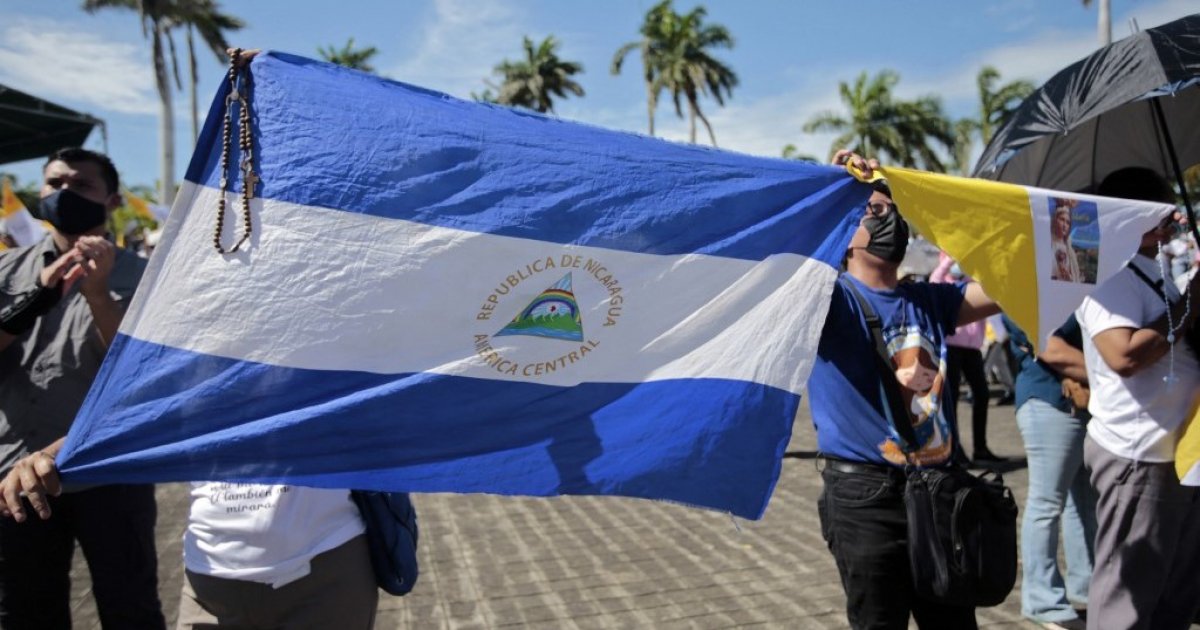
The roots of sanctions against Nicaragua can be traced back to the 1980s, during the Sandinista government, which was marked by conflict and civil unrest. However, the current wave of sanctions began in earnest around 2018, following the government’s violent crackdown on protests against President Daniel Ortega’s administration. As a result, various international entities, including the United States and the European Union, have imposed measures aimed at pressuring the government to restore democracy and respect human rights.
Types of Sanctions Imposed
Sanctions can take several forms, including:
- Economic Sanctions: These are often the most impactful, targeting specific sectors such as finance, oil, and trade. They aim to choke off revenue streams that support the government.
- Travel Bans: Individuals associated with the Ortega regime, including government officials and their families, may face restrictions on travel, effectively isolating them from their international counterparts.
- Asset Freezes: Sanctions frequently lead to the freezing of assets held by sanctioned individuals and entities in foreign jurisdictions.
Motivations Behind the Sanctions
The motivations for the sanctions against Nicaragua are multifaceted:
- Human Rights Violations: Numerous reports have highlighted significant human rights abuses perpetrated by the Nicaraguan government against its citizens, leading to outrage in the international community.
- Undermining Democracy: The alleged manipulation of elections, suppression of dissent, and censorship of the media have all contributed to the grounds for sanctions.
- Regional Stability: Nicaragua’s actions threaten the stability of Central America, prompting neighboring countries and international bodies to respond to prevent a wider crisis.
Economic Impact of Sanctions
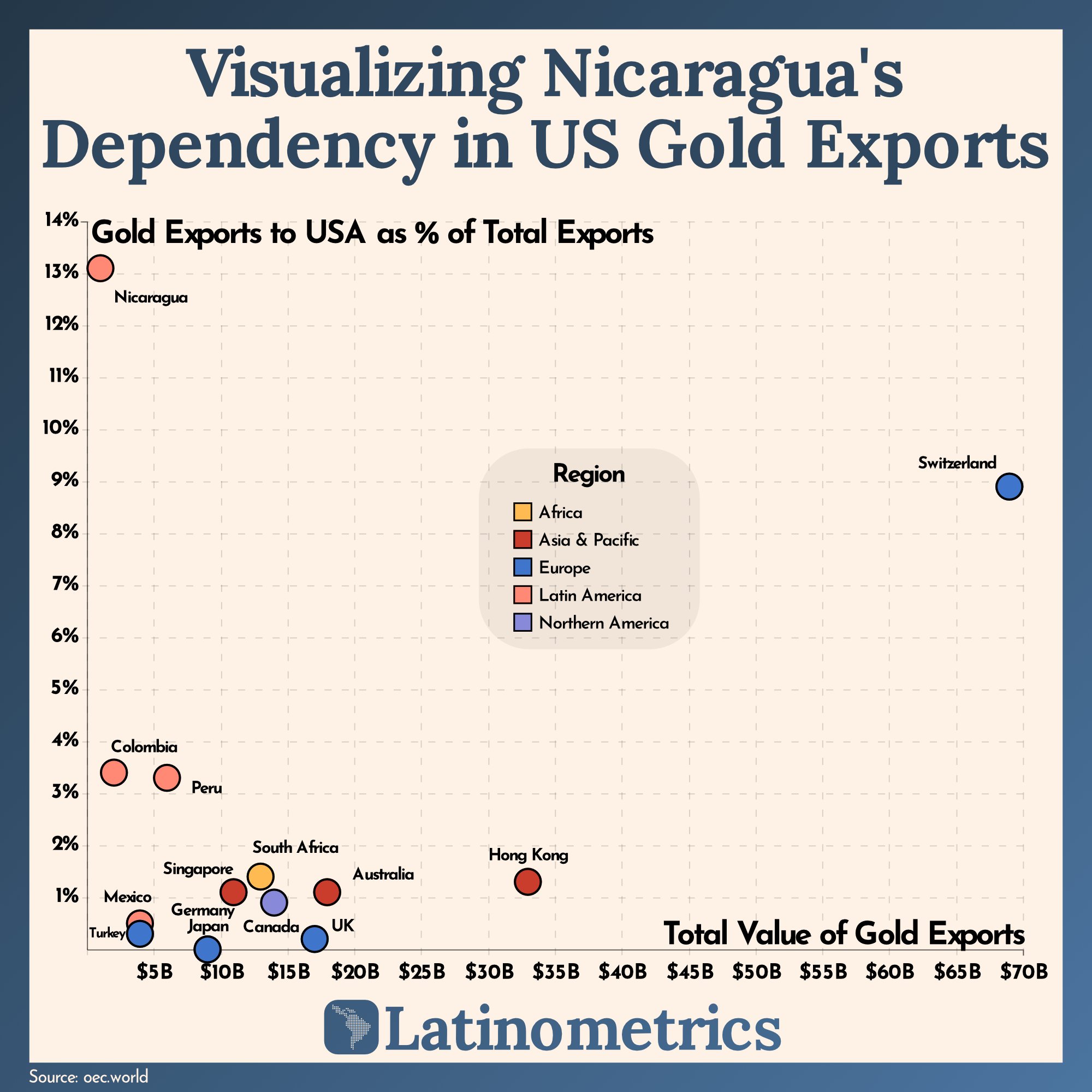
The economic effects of sanctions on Nicaragua have been profound. The country has experienced a decline in foreign direct investment (FDI), decreased exports, and diminished access to international financial markets. Moreover, the economy contracted sig

nificantly due to decreased remittances from Nicaraguans abroad, primarily caused by the heightened risk of sending money back home amidst the political turmoil.
According to the World Bank, Nicaragua’s GDP shrank by nearly 10% during the height of the political crisis, exacerbated by the pandemic. This economic downturn has led to increased poverty rates and social discontent, creating a cycle of instability that sanctions often aim to mitigate.
Domestic Response to Sanctions
In response to international sanctions, the Nicaraguan government has sought to portray them as acts of aggression from foreign powers trying to undermine national sovereignty. This nationalist rhetoric has been used to rally support among the populace and distract from domestic issues. However, the effectiveness of this strategy has waned as the humanitarian crisis deepens.
International Response and Engagement
As sanctions continue to impact Nicaragua, various international organizations are seeking to engage in dialogue aimed at fostering a peaceful resolution to the ongoing crisis. It is evident that sanctions are not a panacea but rather a tool within a broader strategy to encourage compliance with international norms.
Future Outlook
The future of Nicaragua will largely depend on the government’s willingness to engage in genuine reform and dialogue with the opposition. Continued sanctions are likely if the current trajectory remains unchanged, leading to more significant social and economic repercussions. The international community must balance the need for accountability with efforts to alleviate the suffering of the Nicaraguan people, as sanctions can have unintended consequences on the general population.
Conclusion
The sanctions imposed on Nicaragua serve as a critical reflection of the international community’s stance on human rights and democratic governance. Understanding the complexities surrounding these sanctions is essential for comprehending the broader implications for regional stability. As the situation evolves, ongoing dialogue and strategic engagement will be crucial in advocating for the rights and well-being of the Nicaraguan people.
Congratulations! You've completed this blog.
You May Also Like
Najlepsze kasyna online dla graczy o wysokich stawkachGracze, Pelican Casino...
Najlepsze kasyna online z minimalnym depozytem 2026Kasyna online z minimalnym...
Najlepsze kasyna online na Ukrainie z dużymi wygranymi 2026W ostatnich...
Najlepsze kasyna online z Paysafecard dla bezpiecznych zakładówKasyna online przyciągają...
Najlepsze kasyna online 2026 z dużymi szansami na wygranąKasyna online...
Najlepsze kasyna online do gry na pieniądze na Białorusi 2026Nowoczesne...
Najlepsze kasyna online do obstawiania tenge w 2026 rokuWraz z...